千代田区神田・御茶ノ水の司法書士「司法書士法人 誠事務所」の事務所案内 English
EnglishEnglish

Representative Member — Judicial Scrivener and Administrative Scrivener
Seiji Nishimura
Born in Saitama Prefecture, Japan, in 1978.
Graduated from the Faculty of Law, the University of Tokyo.
After working for Tokio Marine & Nichido Fire Insurance Co., Ltd., he passed the Judicial Scrivener Examination in 2008.
He established his judicial scrivener office in December 2013 and incorporated it as Makoto Office Solicitor Corporation in 2022.
Interests: Language learning (English, Chinese and Korean)
About Makoto Office Solicitor Corporation
MAKOTO OFFICE SOLICITOR CORPORATION
Judicial & Administrative Scriveners in Japan
Makoto Office Solicitor Corporation is a judicial scrivener office located in Chiyoda-ku, Tokyo, Japan.
Professional Qualifications in Japan
Our judicial scriveners are nationally qualified legal professionals under Japanese law, specializing in procedures such as real estate registration, company and corporate registration, and inheritance registration.
The judicial scriveners at our office are also certified to provide limited representation and related services in civil cases before Japan's Summary Courts.
Administrative scrivener offices are also affiliated with our office. Administrative scriveners handle procedures involving government agencies, including applications for permits and licenses.
Judicial scriveners and administrative scriveners are professional qualifications established under Japanese law.
Their qualification systems and scopes of practice are not identical to those of solicitors in English-speaking jurisdictions.
Professional Services
Our office handles real estate registration, company and corporate registration, inheritance registration, wills, estate administration support, and related matters. We also assist foreign nationals, overseas residents, and foreign companies with registration and inheritance procedures in Japan.
Our principal services include:
- Registration relating to the purchase and sale of Japanese real estate by foreign nationals and overseas residents
- Incorporation of companies in Japan by foreign nationals and foreign companies
- Commercial registration, including changes of directors and representative directors, relocation of head offices, capital increases, debt-equity swaps (DES), dissolution, and completion of liquidation
- Inheritance registration involving foreign nationals and overseas residents
- Preparation of notarized wills in Japan for foreign nationals
- Estate administration support, from investigating assets in Japan to inheritance procedures and distribution of estate assets
Procedures involving foreign nationals and overseas residents may require overseas-issued documents, such as certificates of address, seal registration certificates, signature certificates, affidavits, and foreign company registration certificates, instead of Japanese residence records or seal registration certificates.
We review the required documents according to the nationality, country or region of residence, and specific circumstances of each case, and provide assistance with the relevant procedures.
Our office accepts inquiries and consultations in English and Chinese. Registration procedures are handled by the judicial scriveners at our office.
Office Information
| Office name | MAKOTO OFFICE SOLICITOR CORPORATION |
|---|---|
| Professional designation | Judicial & Administrative Scriveners in Japan |
| Japanese name | 司法書士法人誠事務所 |
| Address | WATERRAS ANNEX 1312, 2-105 Kanda-Awajicho, Chiyoda-ku, Tokyo 101-0063, Japan |
| Telephone | +81-3-6206-9167 |
| Fax | +81-3-6206-9168 |
| Judicial scriveners | 4 |
| Language support | English- and Chinese-speaking staff |
Access Map

Directions to Our Office
From Awajicho Station or Ogawamachi Station
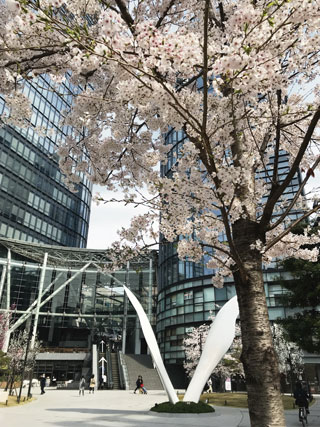
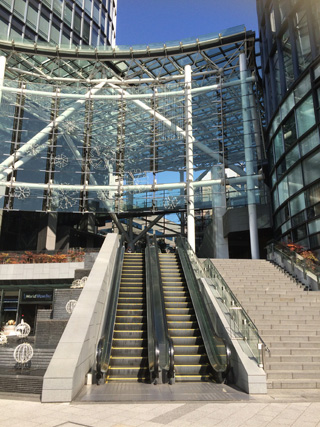
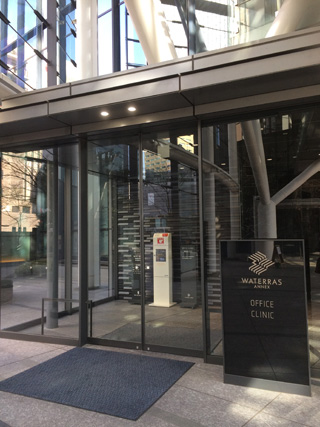
- Please proceed to the main plaza in front of WATERRAS.
- Take the outdoor escalator in front of the building up to the third floor.
- Take the elevator in WATERRAS ANNEX, located on your right, to the 13th floor.
From Shin-Ochanomizu Station or JR Ochanomizu Station
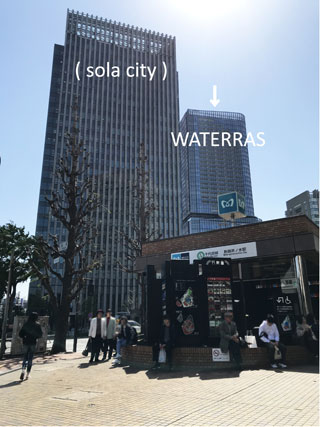
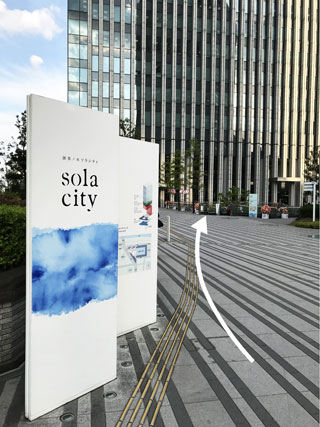
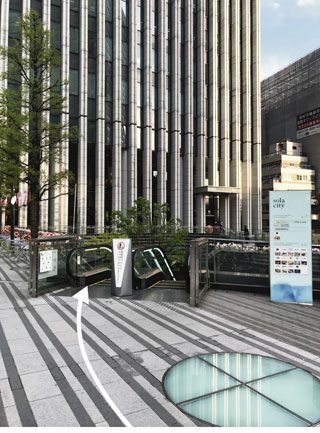
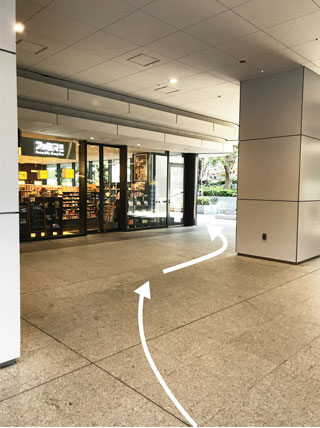
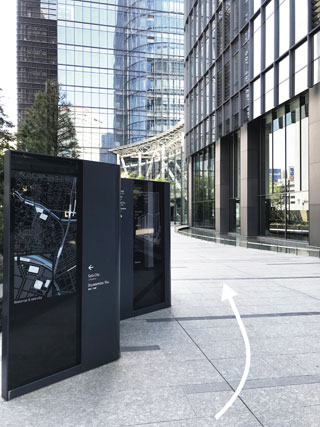
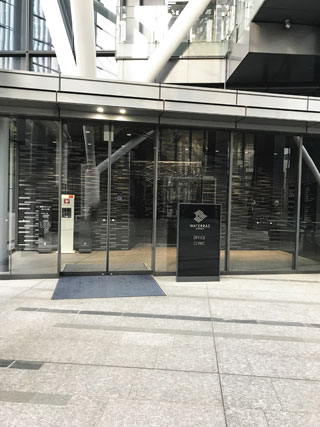
- Exit JR Ochanomizu Station through the Hijiribashi Exit and cross the pedestrian crossing directly in front of you.
- Without going down the slope, proceed toward Ochanomizu Sola City.
- Take the escalator in front of Sola City to the plaza.
- Continue toward WATERRAS and take the WATERRAS ANNEX elevator to the 13th floor.
Real Estate Registration for Foreign Nationals and Overseas Residents
Purchasing or Selling Real Estate in Japan

Foreign nationals and overseas residents may purchase, own, and sell real estate in Japan.
However, if they cannot obtain Japanese residence records or seal registration certificates, documents obtained overseas, such as certificates of address, signature certificates, or affidavits, may be required.
Our office handles Japanese real estate registration matters involving foreign nationals, overseas residents, and foreign companies.
We also handle real estate registration in Japan involving companies incorporated in jurisdictions such as the British Virgin Islands (BVI), Samoa, the Cayman Islands, Singapore, Hong Kong, and Taiwan.
Principal Services
- Registration of ownership transfer following the purchase or sale of real estate
- Registration relating to the purchase or sale of Japanese real estate by foreign companies
- Registration of ownership transfer by gift
- Registration of changes of registered names or addresses
- Registration of the establishment or discharge of mortgages
- Other registrations relating to real estate in Japan
When Japanese Residence Records or Seal Registration Certificates Are Unavailable
Overseas residents may be unable to obtain Japanese residence records or seal registration certificates.
Depending on the country or region and the type of registration, the following documents may be acceptable:
- Certificates of address
- Seal registration certificates (where obtainable overseas, such as in Taiwan)
- Signature certificates
- Affidavits
- Notarized documents
- Foreign company registration certificates
- Documents certifying representative authority
The types of certificates available and the methods of certification vary by country and region. Therefore, please consult our office before obtaining documents overseas.
We will advise you on the documents required for Japanese registration procedures based on the circumstances of your case.
Establishing a Company in Japan by Foreign Nationals and Foreign Companies
For Those Wishing to Establish a Company in Japan

Our office handles incorporation registration in Japan for foreign nationals, overseas residents, and foreign companies.
Foreign nationals and overseas residents may establish a Kabushiki Kaisha (KK, a joint-stock company) or a Godo Kaisha (GK, a limited liability company) in Japan.
When incorporators, directors, or other relevant persons reside overseas, they may be unable to obtain Japanese seal registration certificates. In such cases, the incorporation procedures may require certificates of address, signature certificates, or other documents obtained overseas.
Principal Services
- Incorporation of Kabushiki Kaisha (KK) by foreign nationals
- Incorporation of Godo Kaisha (GK) by foreign nationals
- Incorporation of companies with overseas residents as incorporators
- Incorporation of companies with overseas residents as directors or representative directors
- Establishment of Japanese subsidiaries by foreign companies
- Registration of foreign companies in Japan
Our office also handles incorporation and commercial registration in Japan involving companies incorporated in jurisdictions such as the British Virgin Islands (BVI), Samoa, the Cayman Islands, Singapore, Hong Kong, and Taiwan.
Important Considerations When Foreign Nationals Establish Companies in Japan
1. Overseas Residents May Establish Companies in Japan
Foreign nationals who do not have an address in Japan may become incorporators or investors in Japanese companies.
Representative directors of Japanese companies are not necessarily required to have an address in Japan.
Accordingly, it is possible to establish a Kabushiki Kaisha whose representative directors all reside overseas.
However, if all persons involved in the company reside overseas, the method of paying in the capital contribution and the opening of a corporate bank account after incorporation should be considered in advance.
2. When Japanese Seal Registration Certificates Are Unavailable
Overseas residents may be unable to obtain seal registration certificates issued by Japanese municipalities.
Depending on the country or region and the nature of the procedure, the following overseas documents may be acceptable:
- Seal registration certificates (where obtainable overseas, such as in Taiwan)
- Signature certificates
- Signature certificates issued by notaries public or other authorized persons
- Certificates of address
- Affidavits
The required documents and methods of certification vary by country and region.
3. Determining the Company's Basic Details
The following matters generally need to be determined before incorporation:
- Company type, such as Kabushiki Kaisha or Godo Kaisha
- Company name
- Head office address
- Business purposes
- Amount of stated capital
- Investors and shareholders
- Directors, representative directors, and other officers
- Fiscal year
When a foreign company enters the Japanese market, it may establish a Japanese subsidiary or register the foreign company itself in Japan.
The required registrations and supporting documents differ between these two approaches.
4. Stated Capital and Payment of Capital Contributions
When incorporating a company, capital contributions must be paid in the prescribed manner, and evidence of payment must be provided.
Generally, capital contributions are paid into an account at a bank in Japan, including a Japanese branch of a foreign bank.
For a Kabushiki Kaisha, an account at an overseas branch of a Japanese bank may also be acceptable in certain circumstances. For a Godo Kaisha, the method of proving payment of capital contributions may differ. Please consult us in advance if you wish to use an overseas account or another payment arrangement.
Particularly where incorporators or representatives reside overseas, it is important to confirm in advance whose account will be used and how the capital contribution will be paid.
After reviewing the proposed company structure, our office will advise on the payment method and supporting documents required for incorporation registration.
5. Banking, Business Licenses, Immigration Status, and Tax Procedures May Also Be Required After Incorporation
After incorporation registration is completed, the following procedures may be required depending on the company's business activities and circumstances:
- Opening a corporate bank account in Japan
- Obtaining business permits or licenses required for the company's activities
- Applying for or changing the status of residence required to conduct activities in Japan
- Filing notifications and returns with tax offices and local governments, filing tax returns, and paying taxes
Completion of incorporation registration does not automatically guarantee the opening of a corporate bank account, the issuance of business licenses, or the granting of a status of residence. Tax-related notifications and filings must also be completed separately.
Separate procedures are required for opening bank accounts, obtaining business permits and other licenses, and handling tax matters. Please consult the relevant banks, government authorities responsible for permits and licenses, tax accountants, or other appropriate professionals.
For procedures relating to status of residence, you may consult the administrative scrivener offices affiliated with our office (Makoto Administrative Scrivener Office and Noriko Nishimura Administrative Scrivener Office). Whether we can accept an engagement and the applicable fees will be determined separately according to the details of the matter. Immigration application procedures are not included in our company incorporation registration services.
6. Procedures under the Foreign Exchange and Foreign Trade Act (FEFTA)
Investments in Japanese companies by foreign nationals or foreign companies may require prior notifications or post-investment reports under Japan's Foreign Exchange and Foreign Trade Act (FEFTA), depending on the nature of the investment and the business activities of the company concerned.
Our office will review the circumstances of each case and advise on the procedures that may be required and whether we can provide assistance.

Principal Documents Required for Incorporation
The required documents vary depending on the company type (Kabushiki Kaisha or Godo Kaisha), whether the incorporators or investors are individuals or companies, and whether the relevant persons reside in Japan.
Where a foreign national or overseas resident invests as an individual
Depending on the circumstances, the following documents may be required:
- Identification documents, such as passports
- Certificates of address
- Signature certificates
- Seal registration certificates (where obtainable in Japan or overseas)
- Affidavits and similar documents
- Documents evidencing payment of capital contributions
Where a foreign company is an investor
Depending on the circumstances, the following documents may be required:
- Foreign company registration certificates, certificates of incorporation, or equivalent documents
- Documents certifying the company's registered address or head office location
- Documents certifying the qualifications and authority of its representatives
- Signature certificates or equivalent documents for its representatives
- Corporate resolutions or other documents relating to the foreign company's participation in the incorporation of the Japanese company
- Other documents certifying the foreign company's existence and relevant particulars
Where foreign-language documents are used for Japanese registration procedures, Japanese translations will be prepared as necessary.
Because systems for issuing company certificates, signature certificates, and other documents differ by country and region, the acceptability of each document must be reviewed on a case-by-case basis.
General Procedure for Incorporating a Company in Japan
-
- 1 Initial Consultation and Review of the Proposed Company Structure
-
We confirm the investors, directors and other officers, business activities, amount of stated capital, and whether any persons involved reside in Japan.
-
- 2 Determination of the Company's Basic Details
-
The company name, head office address, business purposes, amount of stated capital, shareholders or incorporators, directors and other officers, fiscal year, and other basic details are determined.
-
- 3 Review of Documents Required in Japan and Overseas
-
Where overseas residents or foreign companies are involved, certificates of address, signature certificates, foreign company registration certificates, and other relevant documents are reviewed in advance.
Reviewing the documents before they are obtained overseas can help avoid the need to obtain replacements.
-
- 4 Preparation of the Articles of Incorporation and Other Incorporation Documents
-
- 5 Notarization of the Articles of Incorporation (for Kabushiki Kaisha)
-
For a Kabushiki Kaisha, the articles of incorporation generally must be notarized by a Japanese notary public. Notarization by a notary public is not required for a Godo Kaisha.
-
- 6 Payment of Capital Contributions
-
- 7 Completion of Other Incorporation Documents
-
- 8 Filing the Incorporation Registration Application with the Legal Affairs Bureau
The date on which the registration application is filed becomes the date of incorporation.
-
- 9 Completion of Incorporation
After registration is completed, certificates of registered matters, seal registration certificates, and other relevant documents can be obtained.
After incorporation, separate procedures may be required for opening bank accounts, obtaining permits and licenses, immigration matters, taxation, social insurance, and other matters, depending on the circumstances.
Where foreign nationals, overseas residents, or foreign companies are involved in incorporation, additional fees may arise for reviewing overseas documents, preparing Japanese translations, and performing other related procedures.
Whether additional fees apply depends on the actual work required. We do not impose a uniform additional charge solely because a client is a foreign national.
We do not charge twice for work already included in the basic professional fee or another quoted item. Before formally accepting an engagement, we explain the applicable fees and expenses item by item and provide a quotation.
Commercial Registration After Company Establishment
We Also Handle Changes to Corporate Registration After Incorporation
Various procedures may be required after a company has been incorporated.
Changes to directors or other officers, the head office, company name, business purposes, stated capital, or other registered matters may require registration.
In addition to ordinary registration of changes, our office handles commercial registration relating to capital increases, debt-equity swaps (DES), dissolution, completion of liquidation, and other corporate matters.
We also handle registration procedures for foreign companies in Japan. The procedures and required documents differ depending on whether a foreign company establishes a Japanese subsidiary or registers the foreign company itself in Japan.
Registration of Changes of Directors, Representative Directors, and Other Officers
- Appointment, resignation, and reappointment of directors
- Changes of representative directors
- Appointment of overseas residents as directors or representative directors
- Registration of changes of representative directors' addresses
Changes to Head Office, Company Name, Business Purposes, and Other Matters
- Registration of a change of head office address
- Registration of a change of company name
- Addition or amendment of business purposes
- Changes to other registered matters
Capital Increases and Debt-Equity Swaps (DES)
- Capital increases through the issuance of new shares
- Capital increases through contributions by shareholders or third parties
- Contributions in kind
- Debt-equity swaps (DES)
- Registration of changes to stated capital and related matters
A debt-equity swap (DES) is a method of converting monetary claims against a company or other eligible claims into shares.
Our office reviews the corporate resolutions, contribution methods, supporting documents, and other requirements under Japanese company law according to the circumstances of each case and handles the relevant registration procedures.
Dissolution and Completion of Liquidation
- Registration of dissolution
- Registration of liquidators
- Registrations required during liquidation
- Registration of completion of liquidation
A company does not cease to exist as a legal entity merely because it has stopped operating.
Our office handles the series of registration procedures from dissolution through completion of liquidation.
Inheritance Registration for Foreign Nationals and Overseas Residents
Inheriting Real Estate Located in Japan

When a foreign national who owns real estate in Japan passes away, or when heirs reside overseas, inheritance registration may be required for the Japanese real estate.
In inheritance matters involving foreign nationals, the following issues must be examined:
- Which country's or region's laws apply to the inheritance
- Who qualifies as an heir
- How to prepare overseas documents that serve in place of Japanese family register records
- How to certify the addresses and signatures of heirs residing overseas
Depending on the circumstances of each case, our office reviews foreign family registers, documents certifying family relationships, birth certificates, marriage certificates, death certificates, certificates of address, signature certificates, affidavits, and other relevant documents, and assists in preparing the documents required for inheritance registration in Japan.
You may consult our office whether the deceased was a foreign national or the heirs reside overseas.
Notarized Wills for Foreign Nationals
Estate Planning for Foreign Nationals Who Own Assets in Japan
For foreign nationals who own real estate, bank deposits, securities, or other assets in Japan, preparing a will in advance can help facilitate procedures relating to those assets after death.
Examples include situations where:
- You own real estate in Japan
- You and your spouse have different nationalities
- Your heirs reside in multiple countries or regions
- You wish to leave your Japanese assets to a designated spouse or child
- You hold bank deposits or securities in Japan
- You wish to appoint an executor of your will
When a foreign national prepares a will, it is necessary to consider the form of the will, the applicable law, and the contents of the will in light of the person's nationality and family circumstances.
After reviewing the assets and family circumstances in Japan, our office assists with organizing the proposed contents of the will, coordinating in advance with a Japanese notary office, accompanying the client to the notary office, and preparing a notarized will.
Estate Administration Services for Foreign Nationals and Overseas Residents
From Investigation of Assets in Japan to Inheritance Procedures and Distribution of Estate Assets
When heirs reside overseas, handling inheritance procedures with Japanese government agencies, banks, securities companies, and other institutions can be a considerable burden.
In some cases, heirs may not have a complete understanding of the assets the deceased left in Japan.
Depending on the circumstances of each case, our judicial scriveners provide estate administration support within the scope of the engagement, assisting with the investigation of estate assets in Japan, inheritance procedures involving real estate, bank deposits, shares, and other assets, and procedures relating to the distribution of estate assets.
Please Consult Us in Situations Such As the Following
- You do not know what assets the deceased held in Japan
- You wish to investigate Japanese bank accounts or securities accounts
- You wish to investigate real estate located in Japan
- All or some of the heirs reside overseas
- You wish to engage a professional to handle inheritance procedures with Japanese banks or securities companies
- You wish to sell real estate inherited in Japan
- You wish to distribute estate assets located in Japan to heirs residing overseas
Investigation of Heirs and Estate Assets
Depending on the circumstances, our services include:
- Identification and confirmation of heirs
- Confirmation of whether a will exists
- Investigation of real estate located in Japan
- Investigation of bank deposits and other financial assets
- Investigation of shares, investment trusts, and other securities and financial assets
- Procedures relating to safe deposit boxes at banks
- Preparation of an inventory of estate assets
In inheritance matters involving foreign nationals, it is also necessary to review the applicable law and overseas documents, such as family registers, documents certifying family relationships, birth, marriage and death certificates, certificates of address, signature certificates, and affidavits.
Inheritance Procedures for Real Estate, Bank Deposits, Shares, and Other Assets
After confirming the heirs and estate assets, the necessary inheritance procedures are carried out.
- Preparation of estate division agreements and other required documents
- Inheritance registration of Japanese real estate
- Closure of bank accounts or transfer of account ownership following inheritance
- Inheritance procedures for shares, investment trusts, and other securities
- Inheritance procedures relating to life insurance and other matters
- Other procedures relating to estate assets located in Japan
A key feature of our estate administration support is that our office serves, to the extent possible, as a single point of contact for inheritance procedures involving real estate registration, banks, securities companies, and other institutions.
Support for the Sale of Real Estate and Distribution of Estate Assets
Where inherited real estate in Japan is to be sold, we provide support for the following sequence of procedures, depending on the circumstances of the case.
Inheritance Registration
↓
Sale of Real Estate
↓
Receipt of Sale Proceeds
↓
Distribution to Heirs
For bank deposits, securities, and other assets, we also assist with procedures for account closure, changes of ownership, and the final distribution of assets in accordance with the will or an estate division agreement reached among the heirs.
You may consult our office even where all heirs reside overseas and it is difficult for them to visit Japanese government agencies, banks, securities companies, and other institutions repeatedly.
General Estate Administration Procedure
-
- 1 Initial Consultation and Review of Documents
-
We confirm the deceased, the heirs, assets located in Japan, whether a will exists, and other relevant matters.
-
- 2 Confirmation of Heirs and Wills
-
We review the documents required in Japan and overseas and determine the heirs.
-
- 3 Engagement for Estate Administration Support
-
As a general rule, we accept a joint engagement from all heirs.
-
- 4 Investigation of Estate Assets in Japan
-
We investigate real estate, bank deposits, shares, and other assets, and prepare an inventory of estate assets.
-
- 5 Division of the Estate
-
Where division of the estate is required, the heirs discuss and determine who will receive each asset, and the necessary documents are prepared based on their agreement.
-
- 6 Inheritance Procedures for Individual Assets
-
We handle inheritance registration of real estate, closure or transfer of bank and securities accounts, and other necessary procedures.
-
- 7 Distribution of Estate Assets
-
Based on the will or estate division agreement, we assist with the necessary procedures for distributing bank deposits, securities, proceeds from real estate sales, and other assets.
Fees for Estate Administration Support Involving Foreign Nationals and Overseas Residents
In estate administration matters involving foreign nationals or overseas residents, the work required varies considerably depending on nationality, country or region of residence, number of heirs, assets located in Japan, applicable law, overseas documents, and other circumstances.
Accordingly, we review the details of each case and provide an individual explanation of the scope of services we can undertake and the applicable fees.
Where disputes exist among heirs, or the matter includes services outside the scope of our practice, we may provide information about coordination with attorneys, tax accountants, or other professionals, depending on the circumstances.
The specific scope of an estate administration engagement must be determined for each case, and we may not be able to handle every investigation, procedure, or distribution-related task.
Representation in disputes among heirs and the preparation or filing of tax returns are not included in our estate administration services. Where necessary, we will advise you to consult attorneys, tax accountants, or other appropriate professionals.
Fees will be quoted separately after the scope of work has been confirmed.
Overseas Documents, Affidavits, and Japanese Translations
Assistance with Procedures Using Documents Issued Overseas
Japanese registration and inheritance procedures involving foreign nationals and overseas residents may require documents obtained overseas.
Our office reviews the following documents and can also prepare Japanese translations where required for procedures in Japan:
- Affidavits
- Seal registration certificates (where obtainable overseas, such as in Taiwan)
- Signature certificates
- Certificates of address
- Family registers and documents certifying family relationships
- Foreign company registration documents
- Documents certifying representative authority
- Notarized documents
Where notarization, authentication, an apostille, or other certification is required, we will advise on the necessary procedures according to the circumstances of the case.
Whether certificates or notarized documents issued overseas can be used for Japanese registration procedures depends on the country or region, issuing authority, contents of the certification, type of registration, and other relevant circumstances.
Therefore, please consult our office before obtaining documents overseas.
Consultations and Inquiries
In registration and inheritance matters involving foreign nationals and overseas residents, the required documents vary depending on nationality, country or region of residence, and the specific procedures involved.
Consulting us before obtaining documents overseas may help avoid unnecessary document requests or the need to obtain replacement documents.
Our office accepts inquiries and consultations in English and Chinese.
When contacting us, please provide the following information:
- Nationality and country or region of residence
- Type of procedure you wish to undertake
- Basic information about the relevant real estate or company
- In inheritance matters, basic information about the deceased and the heirs
- Any overseas documents you have already obtained
After reviewing the details of your case, we will advise on how to proceed, the principal documents required, and the applicable fees.

〒101-0063
東京都千代田区神田淡路町二丁目105番地
WATERRAS ANNEX1312
電話:03-6206-9167
FAX:03-6206-9168
メールでのお問い合わせはこちら